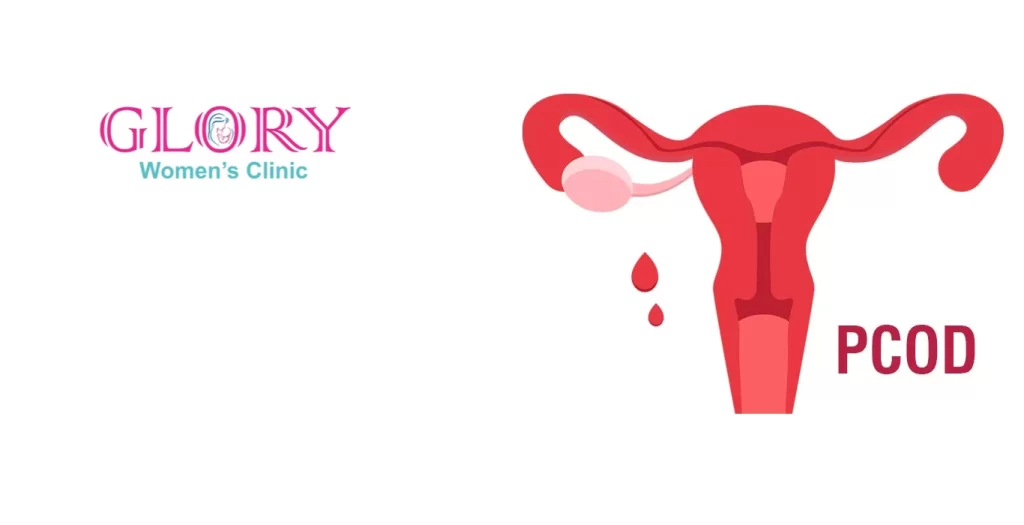
Polycystic Ovarian Disease (PCOD) is one of the most common hormonal disorders affecting women today. Despite being widely prevalent, it often goes undiagnosed or misunderstood. If you’ve been struggling with irregular periods, weight gain, or acne, you might be dealing with PCOD. Let’s take a closer look at this condition and how consulting a Gynecologist in Ravet can help you manage it effectively.
Learn about PCOD, its causes, symptoms, and effective treatment options. Get expert care from a Gynecologist in Ravet for PCOD
What is PCOD?
PCOD is a hormonal imbalance that occurs when the ovaries produce excessive amounts of androgens (male hormones). This hormonal disturbance leads to the formation of small, immature follicles or cysts in the ovaries, which can affect ovulation.
It’s important to note that while PCOD and PCOS (Polycystic Ovary Syndrome) are often used interchangeably, they’re slightly different. PCOD is usually milder and less likely to cause complications like infertility.
Causes of PCOD
The exact cause of PCOD isn’t fully understood, but several factors contribute to its development:
-
Genetics: Family history can play a significant role in PCOD.
-
Insulin resistance: High levels of insulin can trigger the ovaries to produce more androgens, worsening symptoms.
-
Inflammation: Low-grade inflammation in the body can also stimulate androgen production.
A Gynecologist in Ravet can help you identify the underlying causes of your symptoms and develop a treatment plan.
Common Symptoms of PCOD
PCOD can cause a range of symptoms, which can vary from woman to woman. Here are some common signs:
-
Irregular periods: One of the most common symptoms, with periods that are infrequent, heavy, or completely absent.
-
Weight gain: Many women with PCOD struggle to manage their weight, especially around the abdomen.
-
Acne and oily skin: Increased androgens can lead to breakouts and skin issues.
-
Excess hair growth: Hirsutism, or excessive hair on the face and body, is common due to high androgen levels.
-
Hair thinning: Some women may notice thinning hair or bald patches.
-
Difficulty conceiving: PCOD can make it harder to get pregnant because of irregular ovulation.
If you’re experiencing any of these symptoms, it’s essential to see a Gynecologist in Ravet for proper diagnosis and treatment.
Diagnosing PCOD
A Gynecologist in Ravet will typically start with a detailed medical history and physical exam. They may also recommend:
-
Blood tests: To check hormone levels and screen for insulin resistance.
-
Ultrasound: To look for cysts in the ovaries and assess their size and number.
Early diagnosis can help prevent complications and manage symptoms more effectively.
Treatment Options for PCOD
While there’s no cure for PCOD, a Gynecologist in Ravet can help you manage the symptoms and prevent long-term complications. Treatment usually involves a combination of lifestyle changes and medications.
1. Lifestyle Changes
-
Healthy diet: Eating a balanced diet rich in fruits, vegetables, lean proteins, and whole grains can help regulate hormones.
-
Exercise: Regular physical activity can improve insulin sensitivity and aid weight management.
-
Weight management: Losing even a small amount of weight can significantly improve symptoms.
2. Medications
-
Birth control pills: These help regulate periods and reduce androgen levels.
-
Anti-androgen medications: These can help with symptoms like excess hair growth and acne.
-
Metformin: A medication that improves insulin resistance, often used for women with high insulin levels.
3. Fertility Treatment
If you’re trying to conceive, your Gynecologist in Ravet can suggest medications to stimulate ovulation or discuss assisted reproductive techniques.
Living with PCOD
PCOD can affect your physical health and emotional well-being. Mood swings, anxiety, and body image concerns are common. That’s why it’s important to work closely with your Gynecologist in Ravet, who can offer both medical and emotional support.
Regular follow-ups, personalized treatment plans, and a supportive care team can make all the difference in managing PCOD.
Final Thoughts
PCOD is a common but manageable condition. With the right guidance and care, you can take control of your symptoms and live a healthier life. If you suspect you might have PCOD or are struggling with related symptoms, don’t hesitate to reach out to a Gynecologist in Ravet. Expert care can help you find relief and achieve your health goals. Learn about PCOD, its causes, symptoms, and effective treatment options. Get expert care from a Gynecologist in Ravet for PCOD