
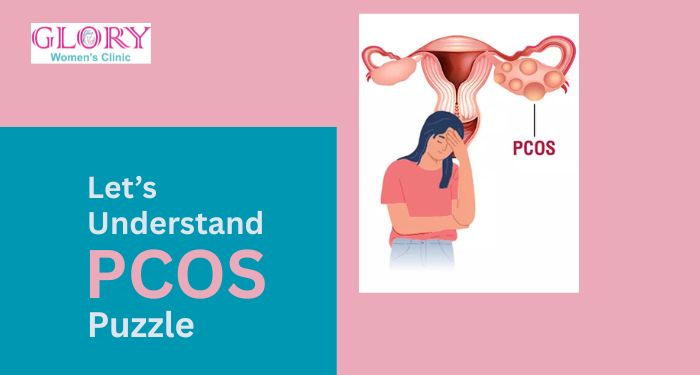
Polycystic Ovary Syndrome (PCOS) is one of the most common hormonal disorders affecting women of reproductive age. Despite being widespread, it is often misunderstood, misdiagnosed, or even ignored—leading to prolonged discomfort, emotional stress, and fertility challenges.
In this detailed guide, we’ll piece together the PCOS puzzle, helping you understand its symptoms, causes, diagnosis, and the most effective treatment options available. If you’ve been feeling confused or overwhelmed by PCOS, you’re not alone—and more importantly, help is available.
What is PCOS?
PCOS, or Polycystic Ovary Syndrome, is a hormonal imbalance that affects the ovaries. Women with PCOS may produce an excessive amount of male hormones (androgens), which disrupt the normal menstrual cycle and prevent the release of eggs (ovulation).
Contrary to what the name suggests, you don’t need to have cysts on your ovaries to be diagnosed with PCOS. The condition varies widely from woman to woman, making it difficult to recognize without medical evaluation.
Common Symptoms of PCOS
The symptoms of PCOS can range from mild to severe and often vary from person to person. Common signs include:
-
Irregular or missed periods
-
Excess facial or body hair (hirsutism)
-
Acne or oily skin
-
Weight gain or difficulty losing weight
-
Thinning hair or hair loss from the scalp
-
Darkening of skin, particularly around the neck or underarms
-
Difficulty conceiving
-
Fatigue and mood swings
Since many of these symptoms overlap with other conditions, early diagnosis can be tricky. That’s why regular health check-ups and speaking openly with your doctor are essential.
Causes: What Leads to PCOS?
The exact cause of PCOS is unknown, but several factors are believed to contribute:
1. Hormonal Imbalance
PCOS is largely influenced by hormonal imbalance—particularly elevated androgens and insulin resistance.
2. Genetics
PCOS tends to run in families. If your mother or sister has PCOS, your chances of having it are higher.
3. Insulin Resistance
High levels of insulin can cause the ovaries to produce more androgens, leading to PCOS symptoms.
4. Low-Grade Inflammation
Women with PCOS often have low-grade inflammation, which contributes to insulin resistance and increased androgen levels.
How is PCOS Diagnosed?
There’s no single test to diagnose PCOS. Your doctor may use a combination of the following:
-
Medical history review
-
Physical examination
-
Blood tests to check hormone levels
-
Ultrasound to examine ovaries and uterine lining
A diagnosis is typically confirmed if you have at least two of the following: irregular periods, high androgen levels, or polycystic ovaries.
Long-Term Health Risks of PCOS
Ignoring PCOS can have long-term health consequences, including:
-
Type 2 diabetes
-
High blood pressure
-
High cholesterol
-
Heart disease
-
Endometrial cancer
-
Infertility
-
Sleep apnea
-
Depression and anxiety
Addressing PCOS early with proper treatment and lifestyle changes can greatly reduce these risks.
Finding the Right Treatment: Solving the Puzzle
Managing PCOS is not a one-size-fits-all approach. A combination of lifestyle changes, medication, and expert care can help restore hormonal balance and improve symptoms.
1. Lifestyle Modifications
-
Diet: Focus on whole grains, lean protein, fruits, and vegetables. Avoid refined carbs and sugars.
-
Exercise: Regular physical activity helps reduce insulin resistance and supports weight loss.
-
Sleep: Quality sleep regulates hormones and improves insulin sensitivity.
-
Stress Management: Practice yoga, meditation, or relaxation techniques.
2. Medications
-
Hormonal birth control can regulate periods and reduce androgens.
-
Metformin may be prescribed for insulin resistance.
-
Anti-androgens help control acne and hair growth.
-
Fertility medications like clomiphene or letrozole can aid in ovulation.
Fertility and PCOS
PCOS is a leading cause of infertility, but many women with PCOS can conceive with proper guidance and treatment. Early diagnosis and the best PCOS treatment options—including ovulation induction and assisted reproductive technologies—can help overcome fertility challenges.
If you’re trying to conceive, consult a fertility-focused gynecologist who understands PCOS deeply. Women in Pune can access specialized care through the best Gynecologist in Ravet, who offers holistic, patient-centered care tailored to PCOS management.
Emotional Impact: You’re Not Alone
PCOS can take a toll on your mental health, with many women experiencing anxiety, depression, and body image issues. Support from family, counseling, and PCOS support groups can make a significant difference. Talking about your feelings and seeking mental health support is just as important as medical treatment.
When to See a Doctor
Schedule a consultation with a gynecologist if:
-
Your periods are consistently irregular
-
You experience excessive facial/body hair or severe acne
-
You have difficulty conceiving after 6–12 months of trying
-
You’ve gained weight suddenly and are unable to lose it
-
You feel tired, moody, or overwhelmed with symptoms
Early medical guidance can help control symptoms before they worsen and offer a clear, customized plan.
Final Thoughts: You Can Solve the PCOS Puzzle
Living with PCOS can be challenging, but with awareness, support, and a proactive approach, it is entirely manageable. Whether you’re concerned about symptoms, planning a pregnancy, or simply want to regain control of your health, the right care and lifestyle changes can help you thrive.
Remember, you’re not alone on this journey. Stay informed, stay supported, and don’t hesitate to seek expert help. With the right diagnosis and treatment, you can overcome PCOS and live a vibrant, fulfilling life.