
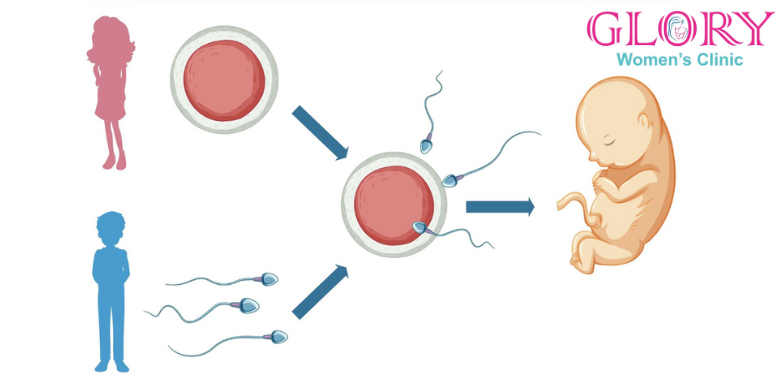
Assisted reproductive technology (ART) has transformed the way many couples approach infertility. With every failed cycle, the emotional and financial investment weighs heavier. For many, ICSI (Intracytoplasmic Sperm Injection) has been a groundbreaking advancement — but what happens when ICSI doesn’t work? This is where PICSI comes into the picture.
In this blog, we’ll explain what PICSI is, how it differs from conventional ICSI, and whether it might be a suitable next step after failed ICSI cycles. We’ll also highlight insights from the trusted fertility experts at Glory Women’s Clinic | infertility & IUI treatment in Ravet, Walhekarwadi, Punawale, Tathawade, Pune, led by Dr. Darshana P. Sonwane, a highly qualified Obstetrics and Gynecology specialist.
Understanding ICSI: A Quick Recap
Before diving into PICSI, it’s important to understand what ICSI is and why it’s commonly used:
-
ICSI (Intracytoplasmic Sperm Injection) involves the direct injection of a single sperm into an egg.
-
It’s primarily recommended when male factor infertility is present — such as low sperm count, poor motility, or abnormal morphology.
-
ICSI bypasses many barriers sperm might face naturally, significantly increasing the chances of fertilization.
However, even with ICSI, some couples do not achieve successful fertilization — or they face recurrent implantation failure or early embryo arrest. This leads many to consider advanced sperm selection techniques like PICSI.
What Is PICSI?
PICSI (Physiological ICSI) stands for Physiological Intracytoplasmic Sperm Injection.
While traditional ICSI selects sperm largely based on morphology and motility under a microscope, PICSI goes a step further by selecting sperm based on their ability to bind to hyaluronic acid (HA).
Why Hyaluronic Acid Matters
Hyaluronic acid is naturally present in the human reproductive tract, particularly around the cumulus cells that surround the egg. Mature, healthy sperm have specific receptors that bind to HA — a sign of good DNA integrity.
How PICSI Works
-
A dish containing hyaluronic acid drops is prepared.
-
Sperm are placed on this HA surface.
-
Only sperm that naturally bind to HA — indicating maturity and DNA quality — are selected.
-
These sperm are then injected into the egg, similar to traditional ICSI.
In essence, PICSI mimics the body’s natural selection process by choosing sperm more likely to result in healthy embryos.
PICSI vs. ICSI: What’s the Difference?
| Feature | Conventional ICSI | PICSI |
|---|---|---|
| Sperm Selection Basis | Morphology and motility | Ability to bind to hyaluronic acid |
| DNA Quality Assessment | Indirect | More direct indicator of DNA integrity |
| Mimics Natural Selection | ❌ No | ✅ Yes |
| Suitable for | Standard male factor cases | Cases with prior failed ICSI or poor sperm DNA quality |
While ICSI focuses on technical fertilization, PICSI elevates the biological quality of sperm selection, which may influence embryo development and pregnancy outcomes.
Is PICSI the Next Step After Failed ICSI Cycles?
This is one of the most common questions couples ask after experiencing unsuccessful ICSI attempts.
Who Might Benefit from PICSI?
PICSI may be considered when:
✔ Multiple ICSI cycles have failed without a clear explanation
✔ There is poor sperm DNA integrity (high DNA fragmentation)
✔ Previous embryos have shown poor development despite good egg quality
✔ Advanced paternal age or underlying sperm abnormalities exist
In these situations, PICSI can help ensure that only the healthiest sperm with better DNA quality are used, potentially improving the chances of fertilization, embryo quality, and pregnancy.
Evidence and Outcomes
Research suggests that PICSI:
-
May improve fertilization rates
-
Can enhance embryo quality
-
Has the potential to increase clinical pregnancy rates in select cases
However, it’s important to remember that success is not guaranteed. The effectiveness of PICSI depends on individual fertility profiles, underlying causes, and clinical judgment.
What Makes PICSI a Valuable Option at Glory Women’s Clinic
At Glory Women’s Clinic | infertility & IUI treatment in Ravet, Walhekarwadi, Punawale, Tathawade, Pune, the focus is on personalized, evidence-based fertility care. Led by Dr. Darshana P. Sonwane, a highly qualified and experienced Obstetrics and Gynecology specialist, the clinic offers:
🩺 Expert Infertility Guidance
Dr. Sonwane brings years of clinical expertise and compassionate care to every fertility consultation. Her understanding of complex reproductive challenges helps couples make informed decisions.
🔬 Comprehensive Diagnostic Work
Before recommending PICSI or any other advanced technique, the clinic evaluates:
-
Hormonal profiles
-
Semen analysis including DNA fragmentation
-
Ovarian reserve testing
-
Previous treatment history and embryo development
🧬 Advanced ART Procedures
Glory Women’s Clinic is equipped to offer:
-
IUI (Intrauterine Insemination)
-
IVF (In Vitro Fertilization)
-
ICSI and PICSI
-
Tailored fertility protocols based on individual needs
🤝 Supportive Care Every Step
Fertility treatment isn’t just clinical — it’s emotional. Dr. Sonwane and her team provide supportive counseling, clear explanations, and empathetic care throughout the journey.
How to Know if PICSI is Right for You
If you’re considering PICSI after failed ICSI cycles, here’s a step-by-step approach:
✔ Step 1: Review Your Prior ICSI Reports
Look at fertilization rates, embryo quality, and sperm parameters.
✔ Step 2: Assess Sperm DNA Integrity
A high DNA fragmentation index may signal the need for advanced selection like PICSI.
✔ Step 3: Consult a Fertility Specialist
Discuss your complete history with a trusted fertility expert. At Glory Women’s Clinic | infertility & IUI treatment in Ravet, Walhekarwadi, Punawale, Tathawade, Pune, Dr. Darshana P. Sonwane can guide you based on your unique profile.
✔ Step 4: Evaluate All Treatment Options
PICSI is not the only option. Other approaches like IMSI (Intracytoplasmic Morphologically Selected Sperm Injection), sperm sorting techniques, or lifestyle adjustments might also be relevant.
Conclusion: Hope After Failed ICSI? Yes — But Personalized
While repeated ICSI failures can be discouraging, PICSI offers an evidence-based option for improved sperm selection, potentially increasing the chances of success in subsequent ART cycles.
However, it’s not a universal solution — the decision must be based on thorough evaluation, expert guidance, and personalized reproductive planning.
At Glory Women’s Clinic | infertility & IUI treatment in Ravet, Walhekarwadi, Punawale, Tathawade, Pune, you receive:
✨ Experienced fertility care guided by Dr. Darshana P. Sonwane
✨ State-of-the-art reproductive technologies
✨ A compassionate, patient-centric approach
If you’ve experienced unsuccessful ICSI cycles and are wondering “What next?”, a consultation with an infertility specialist could open the door to better-targeted options like PICSI — offering renewed hope and a clearer path forward on your fertility journey.
Ready to learn if PICSI could work for you?
📞 Book a consultation with Glory Women’s Clinic | infertility & IUI treatment in Ravet, Walhekarwadi, Punawale, Tathawade, Pune today and take the next step with confidence.