Infertility is a growing concern among many couples today, and one of the most common causes in women is blockage in the fallopian tubes. Fallopian tubes are vital for conception, as they allow the egg to travel from the ovary to meet the sperm for fertilization. If one or both tubes are blocked, the chances of natural pregnancy reduce significantly.
Women struggling with infertility often feel stressed, but with advancements in medical science and the guidance of an experienced Gynecologist in Ravet, treatment for fallopian tube blockage is possible. In this blog, let’s understand what fallopian tube blockage is, its causes, symptoms, diagnosis, and treatment options.
What is a Fallopian Tube Blockage?
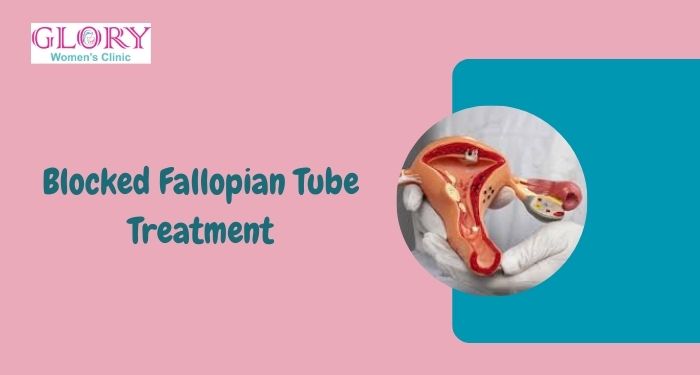
The fallopian tubes are thin passageways that connect the ovaries to the uterus. When these tubes get blocked due to scarring, infection, or other medical conditions, the egg cannot meet the sperm, preventing fertilization. Sometimes, one tube may be blocked while the other remains open, reducing the chances of natural conception but not completely eliminating it.
A complete blockage, however, requires medical evaluation and treatment from an expert Gynecologist to restore fertility or suggest assisted reproductive options like IUI or IVF.
Causes of Blockage in Fallopian Tubes
Several factors may contribute to fallopian tube blockage. Some of the most common causes include:
1. Pelvic Inflammatory Disease (PID)
Infections in the reproductive organs can cause inflammation and scarring of the fallopian tubes. PID is one of the leading causes of infertility in women.
2. Endometriosis
In women with endometriosis, tissues similar to the uterine lining grow outside the uterus, sometimes spreading to the fallopian tubes and causing adhesions or scarring.
3. Previous Surgeries
Pelvic or abdominal surgeries, including C-sections or surgeries for ovarian cysts, can sometimes lead to adhesions that block the fallopian tubes.
4. Tuberculosis (TB) in the Pelvis
In some cases, genital tuberculosis, though less common, can damage the fallopian tubes and lead to infertility.
5. Congenital Abnormalities
Some women may be born with structural issues in their reproductive system, leading to partial or complete blockage of the tubes.
Symptoms of Fallopian Tube Blockage
Interestingly, most women do not experience clear symptoms when they have blocked fallopian tubes. Often, the condition is only discovered when they face difficulty in conceiving. However, in some cases, the following symptoms may appear:
-
Difficulty in becoming pregnant despite regular unprotected intercourse
-
Chronic pelvic pain or lower abdominal discomfort
-
Painful periods or irregular menstruation
-
Pain during intercourse
-
Symptoms of pelvic infections (fever, foul-smelling vaginal discharge, abdominal pain)
If you notice any of these signs, consulting a Gynecologist in Ravet is crucial to identify the cause and begin treatment early.
Diagnosis of Blocked Fallopian Tubes
A specialist gynecologist may recommend the following tests to confirm blockage:
1. Hysterosalpingography (HSG)
An X-ray test in which a contrast dye is injected into the uterus and fallopian tubes to check for blockages.
2. Sonohysterography (Saline Infusion Sonography)
An ultrasound test used to check abnormalities in the uterus and fallopian tubes.
3. Laparoscopy
A minimally invasive surgical procedure in which a small camera is inserted through the abdomen to examine the tubes directly. It is considered the gold standard for diagnosing and treating blockages.
Treatment Options for Fallopian Tube Blockage
The treatment for blocked fallopian tubes depends on the severity, location of the blockage, and the patient’s fertility goals.
1. Medication for Infections
If the blockage is caused by infection, antibiotics and anti-inflammatory medicines may be prescribed.
2. Surgical Treatment
Laparoscopic surgery can be performed to remove scar tissues, adhesions, or endometriosis growths blocking the tubes. In some cases, microsurgery may help repair damaged tubes.
3. Tuboplasty
A surgical method to reopen blocked tubes and restore fertility.
4. Assisted Reproductive Techniques (ART)
If surgery is not successful or if both tubes are completely blocked, IVF (In Vitro Fertilization) is the best option. In IVF, the egg is fertilized with sperm outside the body and implanted directly into the uterus, bypassing the fallopian tubes.
Consulting a skilled Gynecologist in Ravet ensures that you get the right diagnosis and treatment tailored to your condition.
Can You Get Pregnant with One Blocked Tube?
Yes, if one fallopian tube is open and healthy, pregnancy is still possible naturally. However, if both tubes are blocked, natural conception becomes impossible, and IVF is recommended. An experienced gynecologist will guide you through the best options based on your fertility health.
Lifestyle Tips to Support Fertility
Along with medical treatment, adopting a healthy lifestyle can improve fertility outcomes:
-
Maintain a healthy weight and balanced diet
-
Exercise regularly but avoid excessive workouts
-
Manage stress with yoga, meditation, or relaxation techniques
-
Avoid smoking, alcohol, and excessive caffeine
-
Go for regular gynecological check-ups
Why Consult a Gynecologist in Ravet?
If you are facing challenges in conceiving or experiencing symptoms of fallopian tube blockage, visiting a Gynecologist in Ravet is the first step toward diagnosis and treatment. Modern gynecology clinics in Ravet offer advanced diagnostic tools, fertility treatments like IUI & IVF, and personalized care to help women achieve their dream of motherhood.
Conclusion
Blocked fallopian tubes are a common but treatable cause of infertility in women. While symptoms may not always be obvious, timely diagnosis and the right treatment can make pregnancy possible. From medications and laparoscopic surgeries to advanced IVF procedures, several solutions exist today.
An experienced Gynecologist in Ravet can provide expert guidance, ensuring that women not only overcome fertility challenges but also receive comprehensive care for their overall reproductive health.
If you are struggling with infertility, don’t lose hope—medical science offers solutions, and with the right care, parenthood is very much achievable.